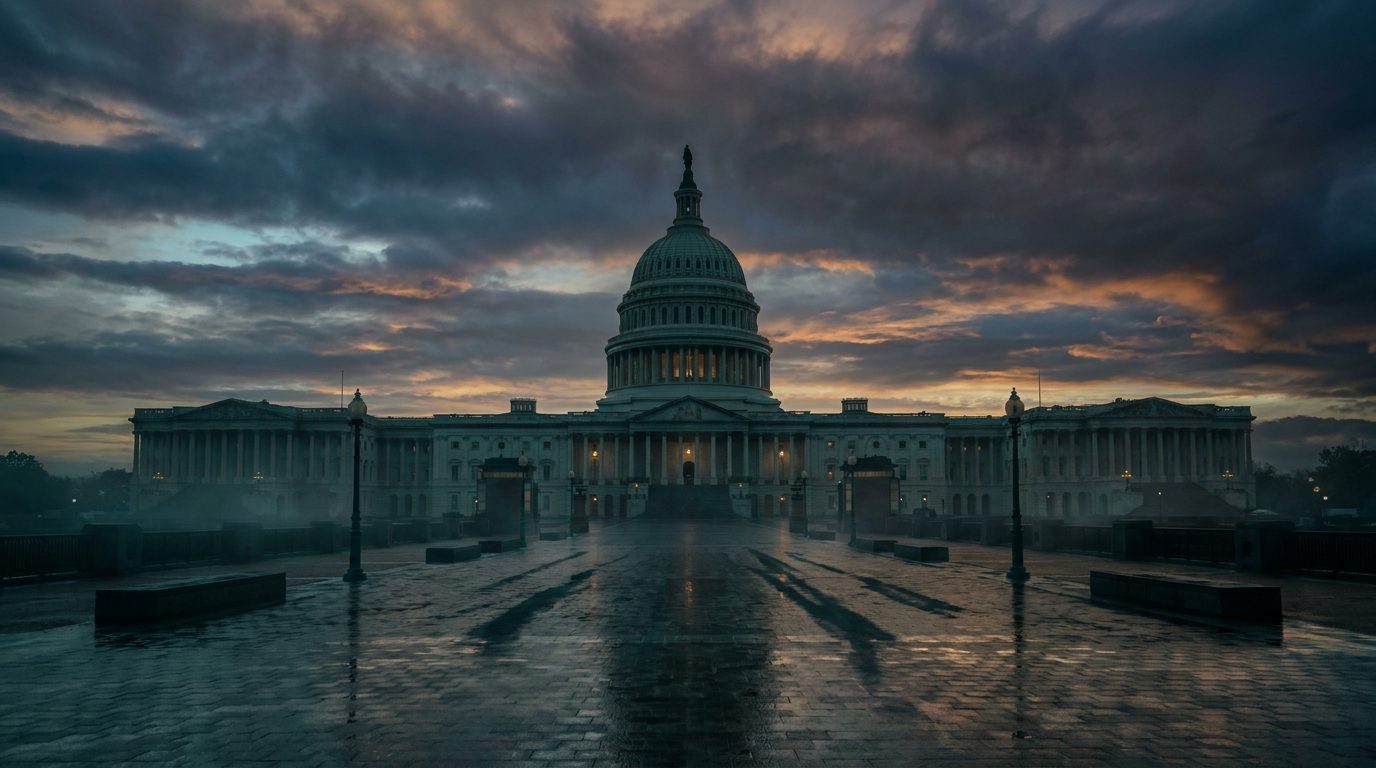

The most ambitious UFO transparency law in American history did not fail in a vote. It simply did not make the final cut. The Unidentified Anomalous Phenomena Disclosure Act, the bill that would have forced federal agencies to declassify their UAP records and publish them, was left out of the final 2026 National Defense Authorization Act. After a year of momentum, the law that was supposed to end the secrecy quietly disappeared from the package that would have carried it.
Then, on June 9, 2026, the people who have spent years pushing for that law gathered on the steps of the United States Capitol and refused to let it die quietly.
What the Disclosure Act would have done
The UAP Disclosure Act, modeled in part on the law that opened the John F. Kennedy assassination files, would have required the president to direct every federal agency to declassify its UAP-related records and make them available to the public. It included a review board to oversee the process and a presumption that records should be released rather than withheld.
That last part is what made it different from everything before it. Most disclosure to date has worked the other way around, with the public forced to pry individual documents loose through lawsuits and appeals. The Act would have flipped the default. Instead of citizens proving they deserved to see a file, the government would have had to justify keeping one secret.
How it got dropped
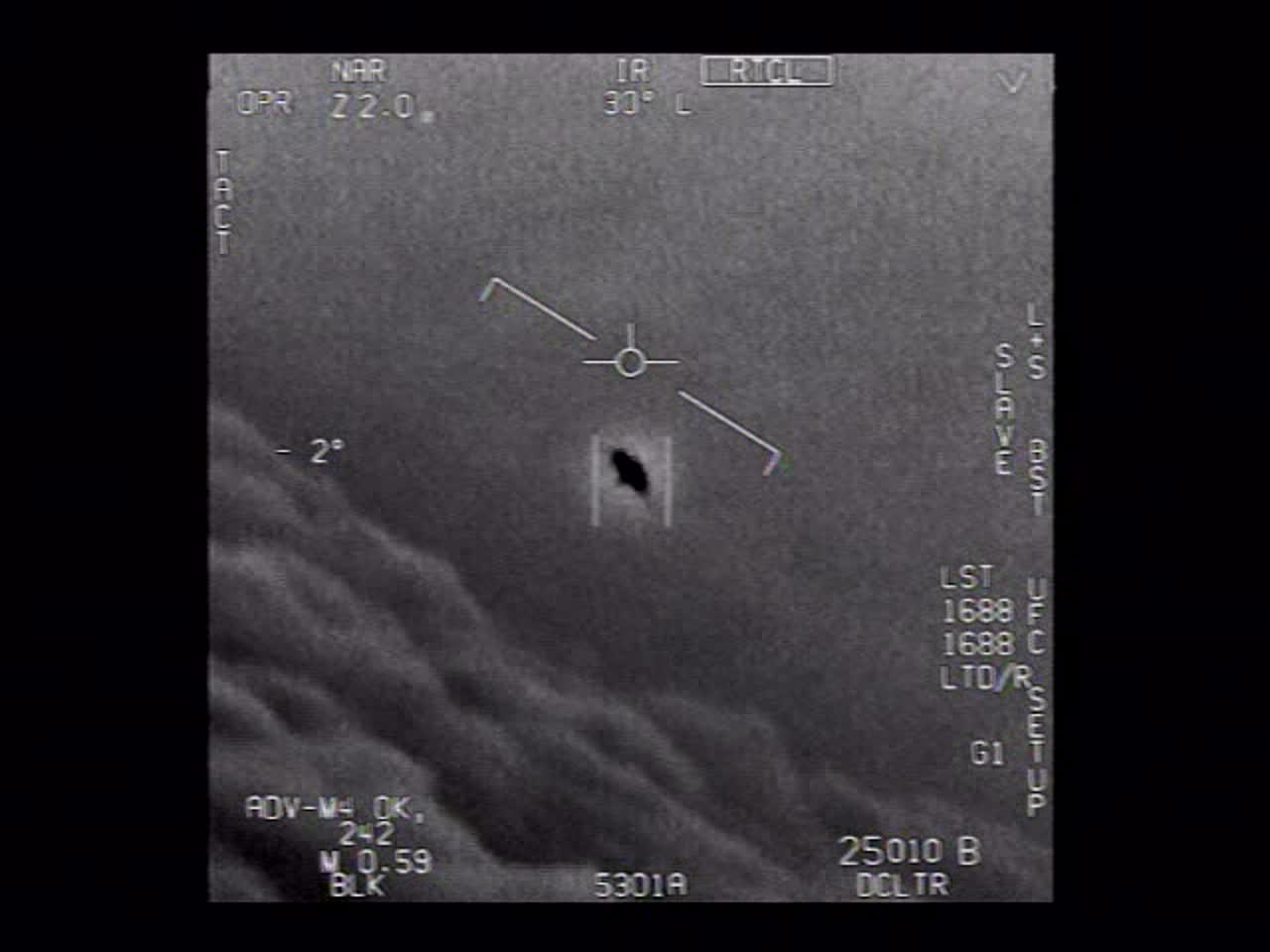
The Act needed a vehicle. In Congress, ambitious provisions often ride to passage attached to the annual defense authorization bill, because that bill has to pass. The plan was for the Disclosure Act to travel the same way. According to reporting from outlets tracking the legislation, congressional leadership did not include the full measure in the final NDAA for fiscal year 2026.
No single dramatic moment killed it. That is how these things usually go. A provision gets trimmed in conference, the larger bill moves on, and the cut barely registers against the noise of a defense package worth hundreds of billions of dollars. For the people who had spent years building toward it, the quiet of it was the insult.
The Capitol steps, June 9
The response was public and pointed. On June 9, David Grusch, the former intelligence officer whose 2023 testimony helped start the modern disclosure wave, stood on the Capitol steps alongside the filmmaker James Fox and the journalist Leslie Kean, joined by bipartisan lawmakers and other whistleblowers. They called for the release of the UAP records the government still holds and for the Disclosure Act to be revived.
Grusch repeated his central claim, that the United States possesses recovered non-human craft and biological material and has hidden it from the public and from much of Congress. He has never produced the physical evidence himself, and he has always said the proof sits behind classification walls he was not allowed to cross. The rally was, in effect, an argument that the law is the only tool strong enough to bring that evidence out.
Two tracks, one fight
The stall matters because it splits the disclosure effort into two visible tracks. On one side, the executive branch keeps releasing curated batches of files through the PURSUE portal at WAR.GOV/UFO, on its own terms and on its own schedule. On the other, Congress keeps trying to compel the material the executive branch has not chosen to publish, now through direct demands on agencies and contractors rather than a single sweeping law.
The June 9 rally was the public face of the second track. It was a reminder that the curated releases, however popular, are still the government deciding what the public gets to see. The Act was meant to take that decision out of the government’s hands.
What happens now
Supporters have said they will push to reintroduce the measure and attach it to the next available vehicle. Whether it survives the same process that stripped it once is the open question. For now, the disclosure that is actually reaching the public is the kind the government chooses to release, not the kind a law would force. The people on the Capitol steps know the difference, and they were there to say so.
Sources
- Washington Times: Lawmakers host whistleblowers, UFO investigators to press feds
- Cybernews: Congress pushes UFO disclosure as Grusch escalates claims
- Liberation Times: UFO transparency stalls again as congressional leaders fail to act
- NewsNation: Grusch says government aware of several kinds of aliens
Discover more from Infinity Explorers
Subscribe to get the latest posts sent to your email.