
2026 has been the strangest year in the history of official UFO disclosure, and it is only half over. In the space of about six weeks, the United States government stood up a public UAP portal, the NSA gave up records it had guarded for 45 years, a congressman went after private contractors, and the Pentagon admitted it cannot explain a large share of its own cases. Here is the whole sequence in order, and where it is heading.
May 8: the portal goes live
The administration launched WAR.GOV/UFO, the public face of the program it calls PURSUE, and posted the first batch of declassified UAP files. It was the first time the government committed to releasing this material on a schedule rather than under legal duress. The site would go on to pass 1.7 billion hits, as we covered in our piece on the PURSUE portal.
May 18: the NSA breaks its silence
The National Security Agency released hundreds of pages of previously TOP SECRET UMBRA records on UAP, prised out through a Freedom of Information appeal that dates back to 1980. It was historic, and incomplete. The agency is still withholding the most sensitive material.
May 22: Congress goes after the contractors
Representative Eric Burlison sent a 10-page letter to MITRE demanding UAP records going back to 1930, part of a wider push against federally funded labs, which we detailed in our report on the MITRE demand. The same week brought the second PURSUE batch.
June 5: the Pentagon admits the gap
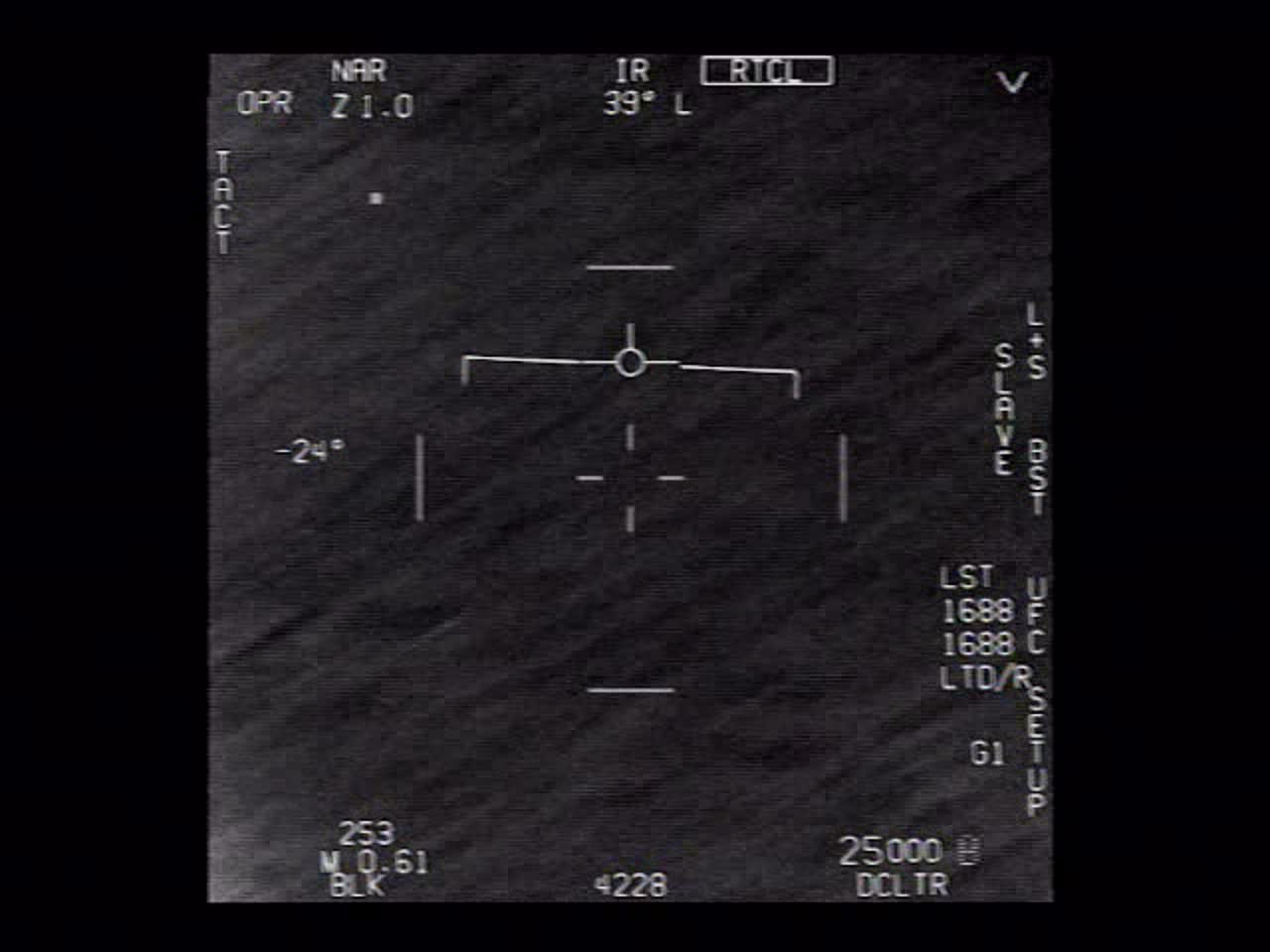
AARO, the Pentagon’s anomaly office, released a report signed by its director stating that roughly 40 percent of the cases it reviewed remain unresolved. We broke that down in our piece on the AARO report. It was the government grading its own work and admitting it could not explain a large share of it.
June 9: the Capitol steps
David Grusch, the filmmaker James Fox, and the journalist Leslie Kean joined lawmakers and whistleblowers at the Capitol to demand the release of remaining files and to push for whistleblower immunity. It was the public answer to the news that the UAP Disclosure Act had been left out of the 2026 defense bill.
June 12: the third batch
The Pentagon released its third batch of files, covering five incidents and including an unresolved 2022 case near Colorado Springs. Full details are in our report on the third batch.
What comes next
The threads are all still live. The Pentagon has said more PURSUE batches will come on a rolling basis, so the next release is a matter of when, not if. MITRE and MIT Lincoln Laboratory both face deadlines to respond to Burlison’s demands in early summer, including the request for a 1952 briefing film. The transparency group fighting the NSA is drafting its next round of appeals. And supporters of the Disclosure Act say they will try to attach it to the next available bill.
There is also a clock. David Grusch has predicted that disclosure will escalate within 60 to 90 days, which puts a soft deadline in late summer 2026. He has staked his credibility on a window, in public, as we covered in our piece on his Space Symposium remarks. Either the next few months produce harder evidence and immunized testimony, or they do not, and the pattern of big claims without receipts holds.
The honest summary
Step back and the shape is clear. 2026 turned UFO disclosure from an occasional scandal into a standing process with a portal, a schedule, and a congressional pressure campaign running alongside it. What it has not yet produced is the one thing that would end the argument, a piece of physical evidence the public can independently verify. The releases are real. The mystery is intact. And for the first time, the calendar suggests the next chapter is already being written.
Sources
- Department of War, PURSUE portal
- All-domain Anomaly Resolution Office (AARO)
- Cybernews: Congress pushes UFO disclosure
- Washington Times: Lawmakers host whistleblowers
Discover more from Infinity Explorers
Subscribe to get the latest posts sent to your email.