

Set aside the question of whether any of it is real for a moment, and one fact about 2026 is hard to argue with. A United States government website about UFOs has been visited more than 1.7 billion times in roughly six weeks. That is not a fringe interest. That is one of the most visited things the federal government has ever published.
The site is WAR.GOV/UFO, the public face of the program the administration calls PURSUE. It launched on May 8, 2026, and by the time the third batch of files went up on June 12 the department reported the traffic had passed 1.7 billion hits worldwide.
What PURSUE is
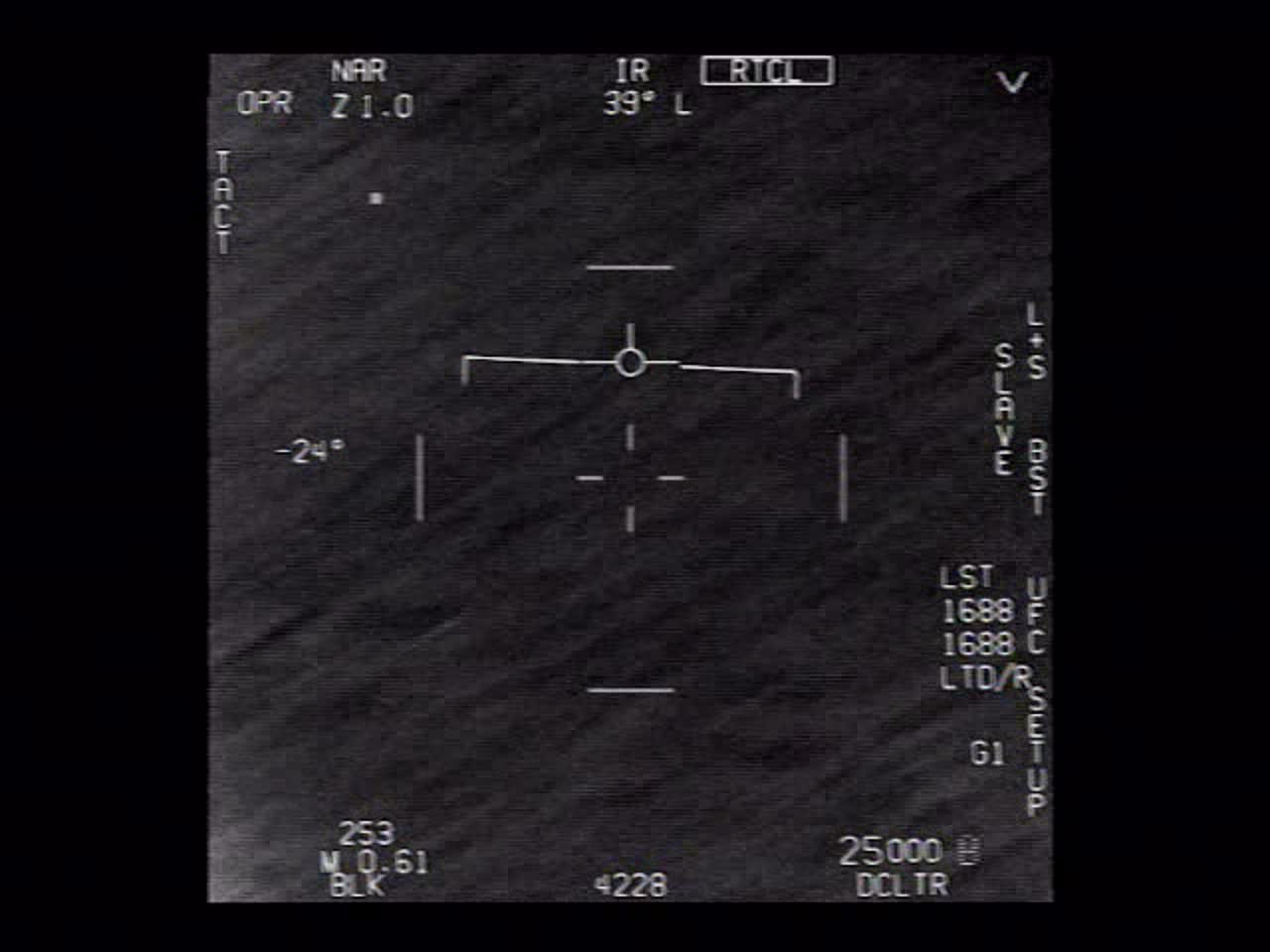
PURSUE stands for the Presidential Unsealing and Reporting System for UAP Encounters. The idea is simple and, by government standards, radical. Instead of waiting for leaks or losing decades to Freedom of Information lawsuits, the government posts batches of declassified UAP records directly to a public site, on a schedule. Each release adds documents, images, video, audio, and witness testimony.
So far there have been three batches, on May 8, May 22, and June 12. The Pentagon’s chief spokesman has said more will follow on a rolling basis. We covered the most recent drop in detail in our report on the third batch of UFO files.
Why 1.7 billion is the real story
The number matters because it changes the political math. For decades, the official posture toward UFOs depended on the public not caring very much. Quiet denial works when nobody is watching. It stops working when a government UFO archive is pulling traffic that rivals major news events.
That level of attention is its own pressure. It makes the subject impossible to treat as a curiosity, and it gives every politician and agency a reason to be seen taking it seriously. The portal did not just release files. It manufactured a constituency, millions of people who now check back for the next batch.
The catch built into the format
There is a quieter point underneath the traffic, and it is worth being clear about it. A curated portal is still curation. Every batch is the government deciding what the public gets to see and when. The releases are real, but they are chosen. That is exactly why, even as PURSUE racks up billions of hits, members of Congress are running a separate campaign to force out the material the executive branch has not put online.
In other words, the portal is both genuine disclosure and a managed one. It hands the public real records while keeping the government in control of the tap. The popularity is not in tension with that. It is what makes the managed version sustainable.

What it changes
Whatever the files ultimately prove, PURSUE has already done one concrete thing. It has made UAP disclosure a normal, ongoing function of government with a web address and a publishing schedule, rather than a scandal that flares up and fades. That is a structural change, and structural changes are the ones that last.
What to watch
The traffic guarantees the next batch will be an event. The real test is whether future releases deepen, moving from renderings and testimony toward raw sensor data and named sources, or whether the portal settles into a steady stream of material that is interesting but never quite conclusive. A billion people are now waiting to find out, which is a position no previous UFO effort has ever been in.
Sources
- Department of War, PURSUE portal (WAR.GOV/UFO)
- FOX 5: Third batch of UFO files released by Pentagon
- Yahoo News: Department of War releases third batch of UFO files
Discover more from Infinity Explorers
Subscribe to get the latest posts sent to your email.