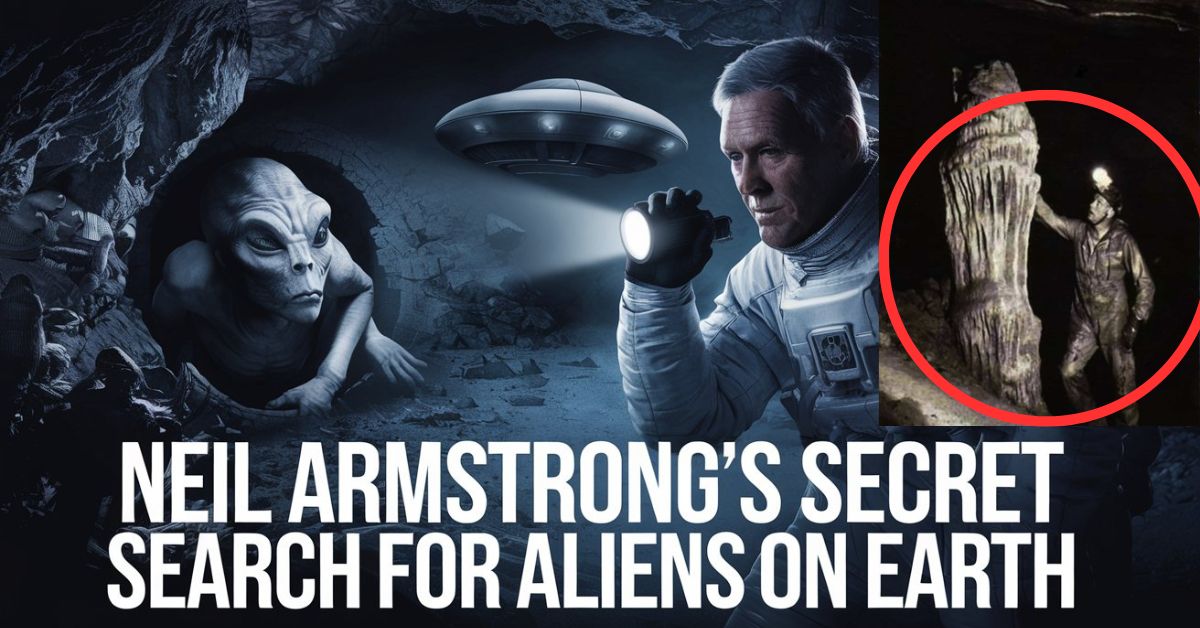

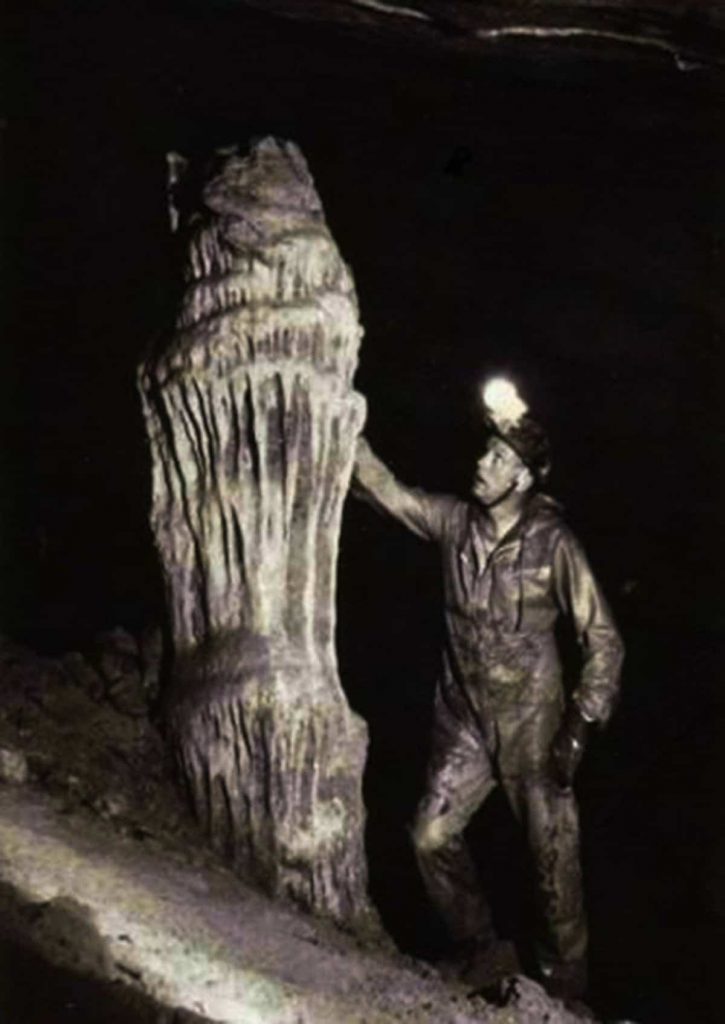
In 1976, Neil Armstrong embarked on a journey quite different from his famous lunar landing. This time, his adventure took him deep into the South American jungles in search of extraterrestrial mysteries hidden in a cave known as Cueva de los Tayos (or Cave of the Oilbirds). While Armstrong’s walk on the Moon captivated the world, his lesser-known expedition into the Andes mountains continues to intrigue historians, explorers, and ancient astronaut theorists alike.
The Mysterious Cueva de los Tayos: Legends and Theories
Nestled in the Andean mountains of Ecuador, Cueva de los Tayos has long been shrouded in mystery. The cave’s very name comes from its nocturnal inhabitants—oilbirds, or tayos in Spanish—that are hunted by the local Shuar people. However, the cave’s true allure lies in the legends of ancient civilizations and extraterrestrial connections believed to be hidden within its depths.
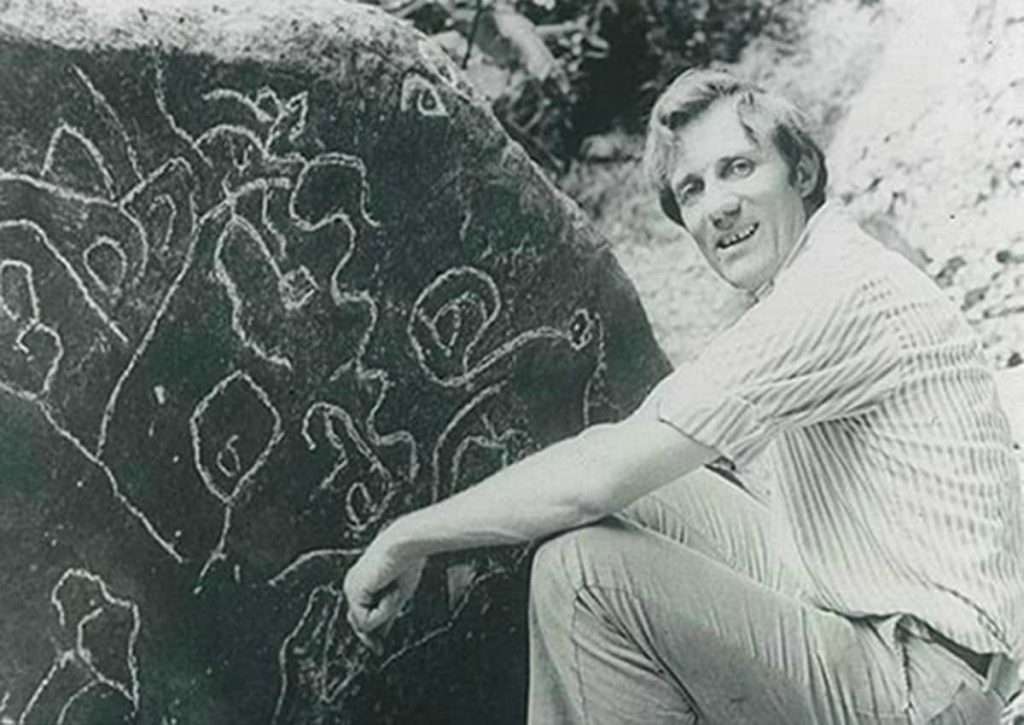
The cave first entered the spotlight thanks to Hungarian explorer János Juan Móricz, who claimed in 1969 to have discovered an astonishing find inside its chambers: gold, strange carvings, and a mysterious “metal library” containing tablets written in an unknown language. These findings, according to Móricz, suggested the existence of a lost civilization that may have had contact with beings from another world.
This theory caught the attention of Swiss author Erich von Däniken, known for his works on ancient astronauts. In his 1972 book The Gold of the Gods, von Däniken included Móricz’s claims, sparking further interest in the cave and its enigmatic contents. The possibility that the cave could hold proof of extraterrestrial influence on ancient human civilizations drew explorers from around the world.
Stan Hall’s 1976 Expedition
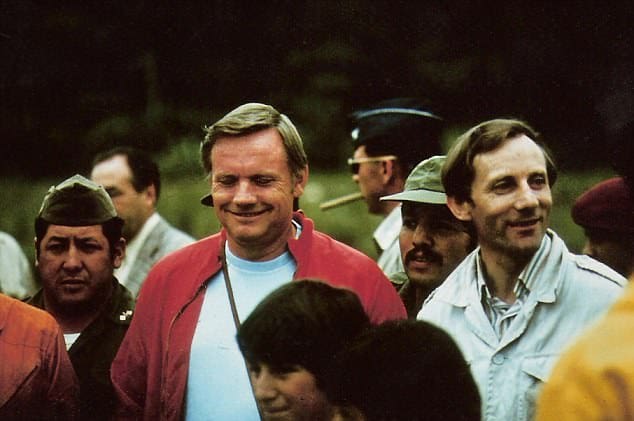
One of the most significant expeditions to Cueva de los Tayos was organized by Scottish engineer Stan Hall in 1976. Hall’s fascination with the cave was fueled by von Däniken’s work, and he was determined to uncover the truth behind the legends. He assembled an impressive team of over 100 participants, including government officials, professional cavers, scientists, and British special forces. But the most famous name on the list was Neil Armstrong, who joined the mission as the Honorary President.
Armstrong’s participation in the expedition has long puzzled historians. Why would the first man on the Moon, a figure whose name is synonymous with space exploration, venture into an obscure cave in the Ecuadorian jungle? According to Stan Hall’s daughter, Eileen Hall, her father had personally written to Armstrong, convincing him to take part in the journey. Armstrong, having already explored the lunar surface, was reportedly curious about the mysteries that might still lie hidden on Earth.
The Challenges of Exploring Tayos
Reaching Cueva de los Tayos is no easy feat. The cave lies in a remote part of the Andes, accessible only by traversing dense jungle terrain fraught with hazards. The journey involves navigating treacherous roads, steep climbs, and dangerous wildlife. Adding to the complexity, the cave is considered sacred by the Shuar people, who have used it for centuries in spiritual ceremonies and rituals. Before entering the cave, explorers must seek permission from the Shuar, who are known for their fierce defense of their land and traditions.
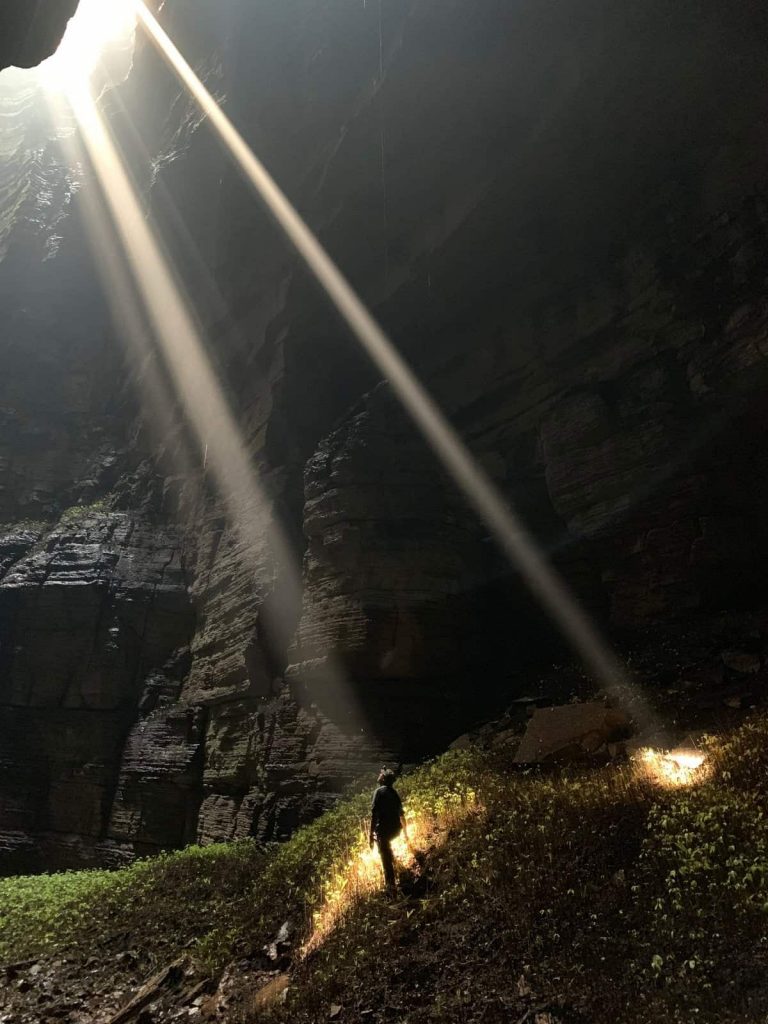
The cave itself is a labyrinth of tunnels and chambers that stretch for more than 4.5 kilometers. Its largest entrance is a dramatic 65-meter drop into the subterranean world below. For centuries, the Shuar have hunted the oilbirds that inhabit the cave, but they also guard its secrets closely, believing the cave to be a powerful spiritual site.
What Did Neil Armstrong and the Team Discover?
Armstrong’s involvement in the Tayos expedition lent an air of scientific legitimacy to the mission, and the team set about meticulously exploring the cave’s depths. They conducted extensive research, mapping the cave’s intricate network and documenting their findings. Among the discoveries were stone passageways that appeared to have been artificially cut and a burial ground dating back to 1500 BC.
However, the team did not find the gold or the mysterious metal library described by Móricz. Despite the lack of tangible proof of an advanced lost civilization or extraterrestrial contact, Armstrong reportedly found the expedition as awe-inspiring as his journey to the Moon. The team’s archaeological findings were significant, but they fell short of the groundbreaking discoveries that had been anticipated.
Neil Armstrong’s Intrigue with the Unknown
So, why did Neil Armstrong—an astronaut known for his calm, scientific approach to exploration—choose to join a mission filled with mystery and speculation? According to Eileen Hall, her father’s deep spiritual experience may have played a role in convincing Armstrong. Stan Hall had described a moment in his life when he felt enveloped by white light, during which he believed he was shown the infinite connections between this dimension and others. This profound experience drove him to explore Cueva de los Tayos in the hope of uncovering hidden truths about the universe.
Armstrong, too, may have been searching for answers. After walking on the Moon and looking back at Earth from space, Armstrong’s perspective on humanity’s place in the universe likely expanded. Perhaps the idea that extraterrestrial visitors might have once influenced human history was too intriguing for him to ignore.
Although the expedition did not yield the definitive evidence of alien contact that some had hoped for, it remains a testament to the enduring human desire to explore the unknown. Neil Armstrong’s participation in the quest for answers in a remote jungle cave adds a fascinating chapter to his legacy—one that speaks to the boundless curiosity that defines the human spirit.
Conclusion: A Legacy of Exploration
The 1976 Tayos expedition may not have uncovered the secrets of extraterrestrial life, but it remains one of the most extraordinary explorations of the 20th century. For Neil Armstrong, it represented yet another great step—this time, not for mankind, but for his own personal journey into the mysteries of our world.
The legend of Cueva de los Tayos endures, drawing explorers, archaeologists, and theorists to its dark depths in search of answers. Perhaps one day, the cave will reveal its secrets. Until then, the story of Neil Armstrong’s forgotten journey into the jungle will continue to inspire those who seek to explore the unknown.
References
Barefoot Expeditions: Neil Armstrong’s Expedition to La Cueva de los Tayos
A detailed account of the 1976 expedition, covering Armstrong’s role, the team’s findings, and the cave’s archaeological importance
Cueva de los Tayos – Wikipedia
Provides a historical overview of the 1976 expedition to Cueva de los Tayos, highlighting the involvement of Neil Armstrong and the cultural significance of the cave.
Neil Armstrong’s Personal Motivation: Why He Joined the Expedition
Neil Armstrong’s decision to participate in the 1976 Tayos expedition was not made lightly. By 1976, Armstrong had largely retreated from public life following his historic moon walk seven years earlier. The fact that he agreed to lead the scientific component of this expedition — serving as honorary president — speaks to how seriously he took the claims surrounding the cave. Armstrong himself was reportedly fascinated by the possibility that the cave concealed evidence of a pre-Flood civilization or even off-world contact. His presence lent the expedition enormous credibility and helped secure the participation of over 100 scientists, military personnel, and cave exploration specialists from Britain and Ecuador.
Some researchers have speculated that Armstrong had been briefed — either during his NASA career or through subsequent government contacts — on anomalous archaeological discoveries in remote parts of the world that suggested non-human influence on early civilizations. Whether or not this is true, his participation ensured that the 1976 Tayos expedition was the most scientifically rigorous exploration the cave had ever received. The team spent nearly three weeks mapping the cave system, cataloguing its geology, and searching for evidence of the metal library. While they found no library, the expedition produced the first comprehensive scientific survey of the cave and confirmed it contained chambers of staggering scale.
The Metal Library Mystery: What Moricz and Von Däniken Claimed to Have Found
The central legend driving interest in the Cueva de los Tayos is the so-called “Metal Library” — a vast underground repository of thin metal plates engraved with an unknown script and imagery supposedly documenting the history of a lost civilization. The legend originates primarily from János Moricz, a Hungarian-Argentine explorer who claimed to have discovered the library in the 1960s with the help of indigenous Shuar guides. Moricz described thousands of metal leaves, animal figures cast in gold and other metals, and a chamber of remarkable craftsmanship that no primitive culture could have produced.
Erich von Däniken, the Swiss author of Chariots of the Gods, visited Moricz and later wrote about the metal library in his 1972 book The Gold of the Gods, claiming to have personally entered the chamber and touched the metal plates. Von Däniken later admitted he had exaggerated elements of the account, but maintained that Moricz genuinely showed him something extraordinary. The Shuar themselves acknowledge the existence of an underground world they call “Tayos world” and have passed down oral traditions of a great library kept by ancient beings — traditions that predate any European contact with the region. Whether the Metal Library is a physical artifact, a metaphorical tradition, or something that has yet to be properly located remains one of archaeology’s most tantalizing open questions.
The Tayos Caves Today: Ongoing Exploration and Unanswered Questions
The Cueva de los Tayos continues to attract researchers, adventurers, and documentary filmmakers decades after the 1976 Armstrong expedition. Subsequent expeditions in the 1990s, 2000s, and 2010s have used modern ground-penetrating radar, drone mapping, and advanced caving equipment to survey sections of the cave system that Armstrong’s team never reached. The cave is estimated to extend for hundreds of kilometers underground, with only a fraction having been explored. Some researchers believe the metal library — if it exists — may be located in a branch of the system accessible only through passages known to the Shuar but never disclosed to outsiders.
For ancient astronaut theorists, the Tayos caves represent one of the strongest pieces of circumstantial evidence for pre-Flood advanced civilization. The combination of indigenous oral tradition, a credible explorer’s firsthand testimony, and Neil Armstrong’s personal interest gives the story a weight that is difficult to dismiss entirely. Until the full extent of the cave system has been mapped and the claims of Moricz and others either verified or definitively refuted, the mystery of what lies beneath Ecuador’s Andean jungle will continue to fuel one of the most compelling legends in the world of unexplained archaeology.
Discover more from Infinity Explorers
Subscribe to get the latest posts sent to your email.